The future of design: A 16 year old's perspective
Category
Blog
Type
Article
Date
10 June 2026
Read Time
6 Mins
AI is becoming a part of our daily lives. We may not realise it, but AI is being incorporated into nearly everything we do. Education, social media, transport, healthcare, and the design and branding industry are no exceptions. The question now is whether this is a positive or negative thing. As for myself, I think it is a bit of both.
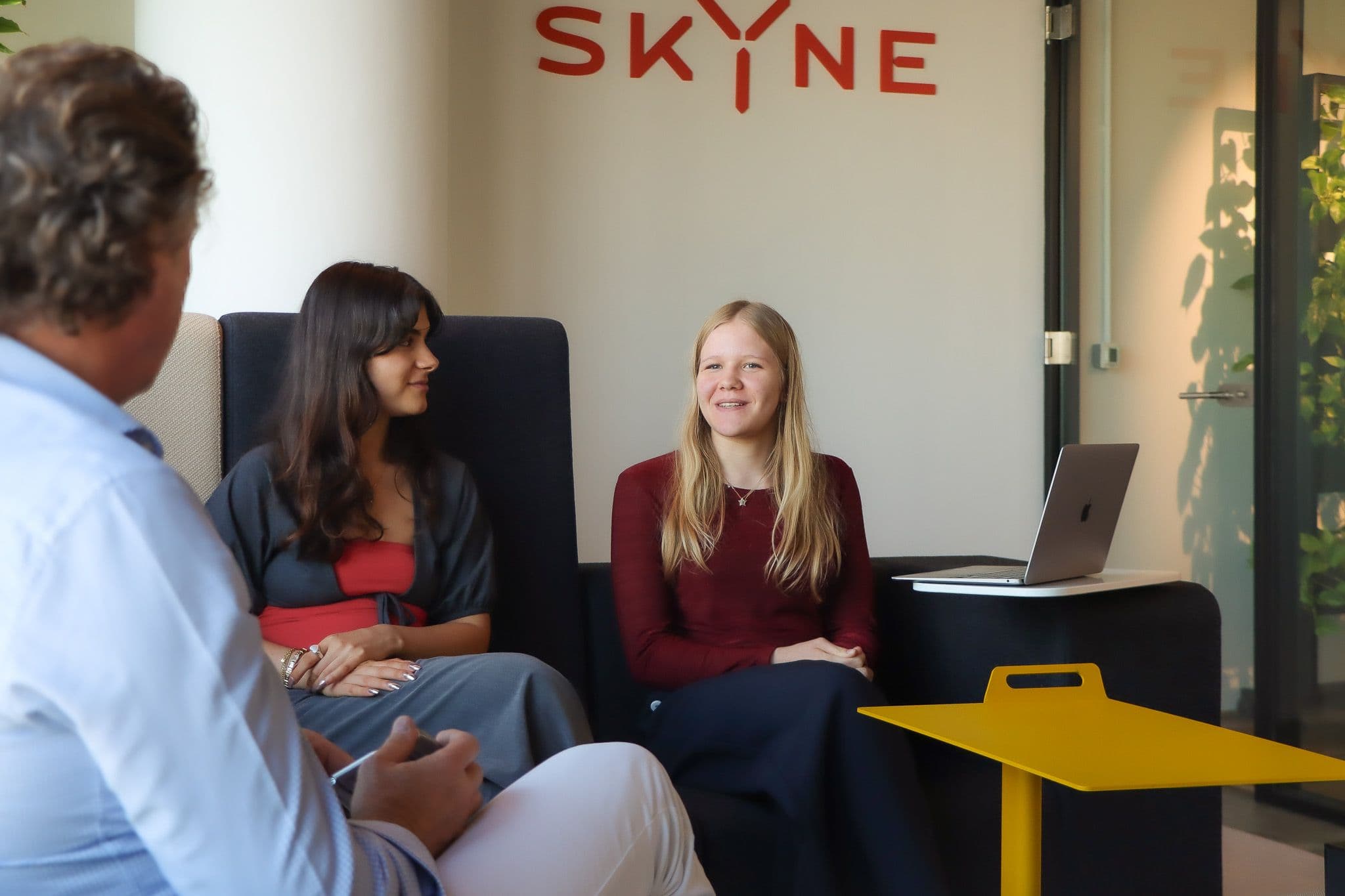
Hello, my name is Ada Vanhanen Struijk. I am a 16-year-old student in grade 10. I’ve been given the opportunity to intern at Skyne for one and a half weeks to gain first-hand experience of what it is like to be in a professional setting and workplace.
I was drawn to interning at Skyne because my interests lie in wanting to learn more about the design and branding industry. I have been especially captivated by how the processes in design and branding have evolved with the use of AI, and what this could mean for future generations of designers and myself studying and creating design.
AI is changing the way we learn, create, and think about design and branding.
In the past few years, AI has reshaped the way others and I learn. Now, as students, we have access to a tool that can give us instant feedback, generate endless ideas, and answer any question. But is this really benefiting our learning, or destroying it?
Personally, if the tool is used correctly and ethically, I believe AI can enhance our learning and guide us through the process. However, when AI is used irresponsibly, it replaces our effort and thinking skills.
Now, design and branding are more centred on familiarising yourself with new technologies and AI tools used to reduce production time. In today’s day and age, creatives may approach design differently, as everything is becoming more digital. Designers use their screens to sketch, create moodboards, and so forth.
This doesn't mean creativity is lost, it's gained. Designers can now be more productive and have increased time to focus creatively. AI takes care of the tedious and repetitive tasks that take hours and completes them in a matter of minutes through automated technology.
I believe that in 5 years' time, a designer's job will no longer be the producing and technical parts of design, those tasks would be left up to AI. A designer's job would purely be the imaginative elements of design. I was always drawn to the more creative side of design, and this changed my perspective for my future in this field. It sparks my enthusiasm for what could be possible.
Being skilled in using AI is essential in the rapidly changing design and branding industry. AI tools and technology will continue to grow over the next few years, and it’s important that as designers we continue to evolve too. Designers' skills will need to develop to ensure innovation and originality continue.
Before AI, design was created based on human-led research, which was prone to flaws and biases. Now, AI tools and technology can provide concrete data on how consumers interact with a product using real-time analysis on millions of behavioural patterns. This helps uncover exactly what users want, like, and struggle with.
Growing up in an era where AI is now standard, the way I think about design has changed. I realised that design is a lot more than just creating visuals. I’ve discovered the work that actually goes into creating design. The problem-solving, the strategies, the technology, the creativity, the data, the research. It's all included.
The opportunities and challenges that emerge from using AI for design and branding
AI has caused many wider opportunities to arise and is an amazing tool for the design and branding industry to help maximise time efficiency and creativity. However, there are various challenges that designers could face while using AI.
Smaller design companies with limited resources can now compete with larger companies because they have access to new technologies and AI tools that can help them make their process more efficient.
Within the following 5 years, I predict design will continue to become more accessible, attracting wider audiences to start designing. AI has made it easier to create design without any prior training or technical skills.
I believe it’s a huge step forward to further developing in the industry. However, this development will have repercussions on our planet as the use of AI will increase. AI models require huge infrastructures and large amounts of electricity and water, which contributes to environmental damage. This led me to think: I am writing now about what the future of design holds, but what will that future look like if we do not look after our environment?
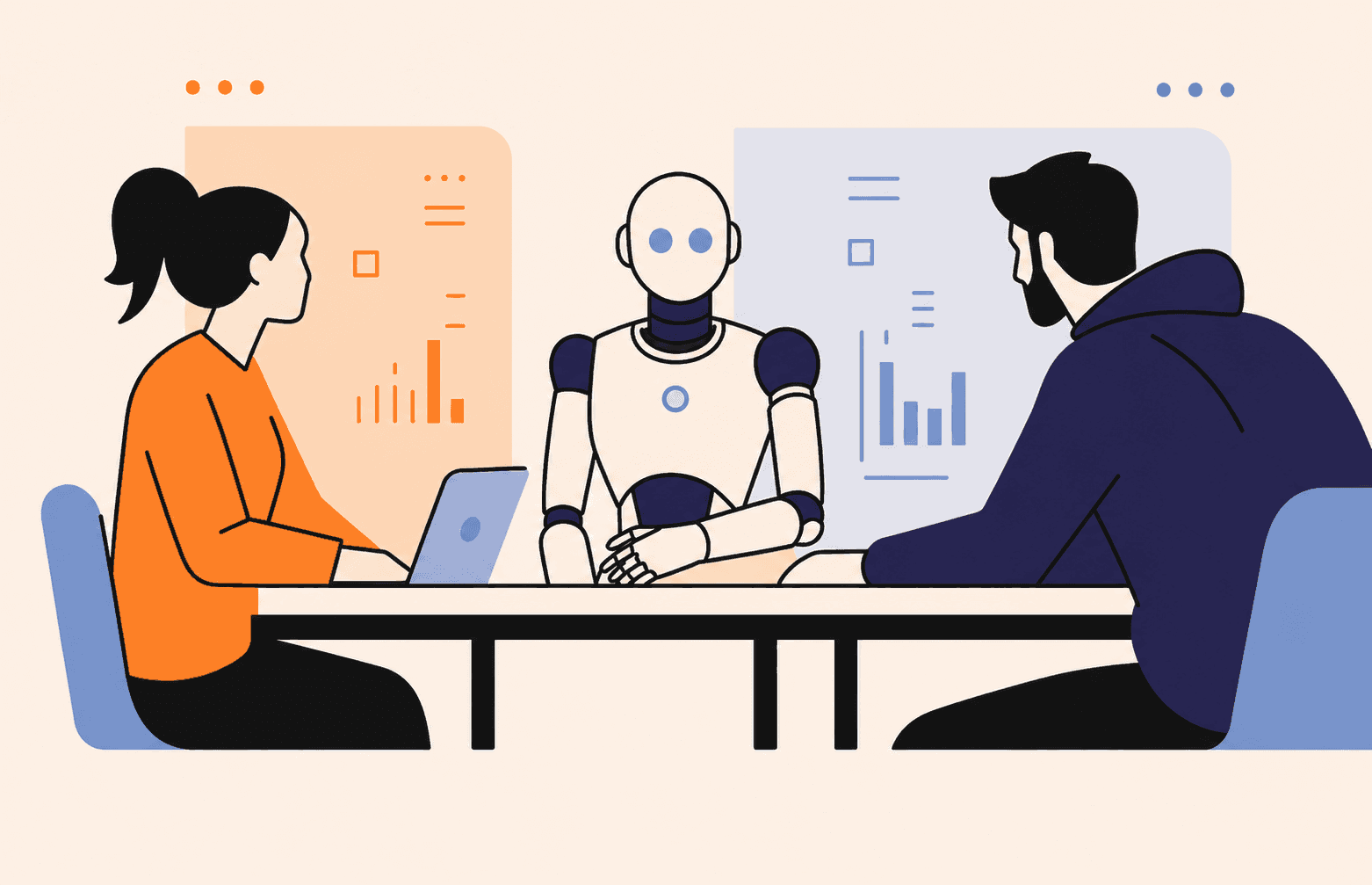
AI is a tool, not a replacement
On a more positive note, new jobs in design and branding could be created as technologies develop and AI advances.
Most importantly, I don’t believe designers will be replaced by AI. AI will never be able to capture and replicate the emotion and creativity of a human, because AI is trained on existing ideas and data, meaning the generated results often turn out unoriginal and can lead to copyright and ownership issues.
Over the next 5 years, AI will predictably become more commonly used in design and branding. I believe it’ll be ever so important for designers to stand out as creative, unique, and original. However, designers may find themselves in a creative slump due to the overwhelm of technology they are surrounded by on a daily basis. I’d suggest that designers could retreat to nature to help them spark ideas and regain their creative power.
One thing is for sure, studying design looks completely different now. It’s more centred on making the most of new technology. I understand this is the reality of design in this generation, but to be completely honest, I hope some of the hands-on tasks remain in the learning process. My future in design has been changed by AI. Not necessarily negatively, because we can create things that are truly meaningful. Nonetheless, this is a new generation of design, and I want to be a part of it.